
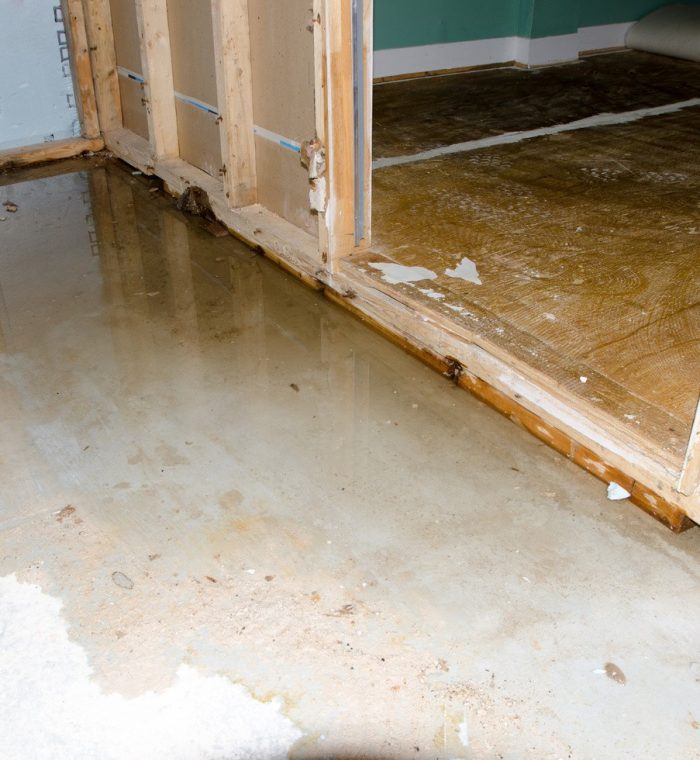
Water damage can lead to structural issues and mold growth if not addressed quickly. Our expert team is ready to extract water, dry affected areas, and restore your home to its original condition.
Contact us now for fast and reliable service!
Flooding can occur due to heavy rainfall, hurricanes, poor drainage systems, or burst pipes. Water damage from flooding can be devastating, affecting homes, businesses, and personal belongings. Proper preparation and quick action can help minimize damage and protect your property.
Stay Informed – Monitor weather alerts and local emergency updates.
Evacuate if Necessary – Follow official evacuation orders and move to higher ground.
Turn Off Utilities – Shut off electricity, gas, and water if advised by authorities to prevent electrical hazards and gas leaks.
Protect Important Items – Move valuables, important documents, and essential supplies to higher levels of your home.
Regular Maintenance – Keep gutters, drains, and sump pumps clear of debris to ensure proper water flow.
Install Flood Barriers – Use sandbags or other barriers to protect doors and windows in flood-prone areas.
Elevate Appliances and Electrical Systems – Raise electrical outlets, water heaters, and appliances above potential flood levels.
Improve Drainage – Ensure proper landscaping and install French drains to direct water away from your property.
Review Insurance Coverage – Verify that your homeowner’s insurance includes flood protection.
Wait for Clearance – Only return home when authorities declare it safe.
Document Damage – Take photos and videos of flood damage for insurance claims.
Dry and Ventilate – Remove standing water, use fans and dehumidifiers, and open windows to prevent mold growth.


